
Introduction: How to Become an MCA Funder in a Regulated, Competitive Market
If you’re researching how to become an MCA funder in 2026, it’s important to understand one thing upfront: the Merchant Cash Advance industry has fundamentally changed.
What was once a lightly regulated, relationship-driven industry has evolved into a more professionalized financial sector. Today’s MCA funders face increased scrutiny, state-level disclosure laws, tighter underwriting standards, and greater expectations from brokers, merchants, and capital partners.
Becoming an MCA funder is no longer just about deploying capital. It’s about building an operation that can withstand regulation, manage risk at scale, and operate with institutional-grade infrastructure.
This guide explains:
- What it actually takes to become an MCA funder in 2026
- The operational and compliance requirements many new funders underestimate
- Why modern MCA software is essential from day one
What Does It Mean to Be an MCA Funder?
An MCA funder provides upfront capital to a business in exchange for a percentage of future receivables. Repayment is typically collected through daily or weekly ACH withdrawals based on projected cash flow.
Unlike brokers, MCA funders:
- Deploy and manage capital
- Set underwriting criteria
- Assume portfolio risk
- Handle compliance and servicing
- Absorb defaults and restructures
This distinction matters because funders are the party most exposed to regulatory, financial, and operational risk.
Step 1: Capital Formation and Risk Strategy
The first practical step in learning how to become an MCA funder is defining your capital structure.
Common funding sources include:
- Proprietary or founder capital
- Private investors or syndicates
- Family offices
- Structured credit facilities
However, capital without structure is dangerous. Funders must define:
- Maximum exposure per deal
- Industry and geography restrictions
- Stacking and leverage policies
- Target hold periods and yield expectations
Inconsistent risk standards lead to inconsistent outcomes — and inconsistent portfolios fail under pressure.
Step 2: Legal Formation and Contract Readiness
Before funding your first deal, funders must ensure:
- Proper business formation and licensing
- Legally vetted MCA agreements
- Clear disclosure language
- Jurisdictional awareness

While MCA products are not loans, courts and regulators increasingly examine substance over labeling. Contracts must be consistent, defensible, and aligned with evolving interpretations of receivables-based financing.
Many new funders underestimate how quickly legal exposure compounds without standardized processes.
Step 3: Compliance Is No Longer Optional in 2026
Any realistic discussion of how to become an MCA funder must address compliance head-on.
In recent years, several U.S. states have introduced or expanded:
- Commercial financing disclosure requirements
- APR-equivalent calculation rules
- Pre-funding disclosure mandates
- Recordkeeping and audit expectations
Funders operating across multiple states must manage state-specific compliance logic, not generic templates.
Manual compliance workflows — emails, spreadsheets, one-off PDFs — introduce risk. As volume increases, so does exposure.
Step 4: Underwriting Infrastructure and Data Standardization
Underwriting is where MCA funders either build durability or create hidden weaknesses.
Modern underwriting requires:
- Bank transaction analysis
- Cash flow consistency checks
- Standardized decision criteria
- Documented rationale for approvals and declines
Early-stage funders often rely on intuition and experience. At scale, this becomes a liability. Decisions must be repeatable, explainable, and reviewable.
This is especially important when working with:
- Outside investors
- Warehouse lines
- Compliance audits
- Future acquirers
Step 5: Servicing, ACH Collections, and Portfolio Monitoring
Servicing is the operational core of an MCA business.
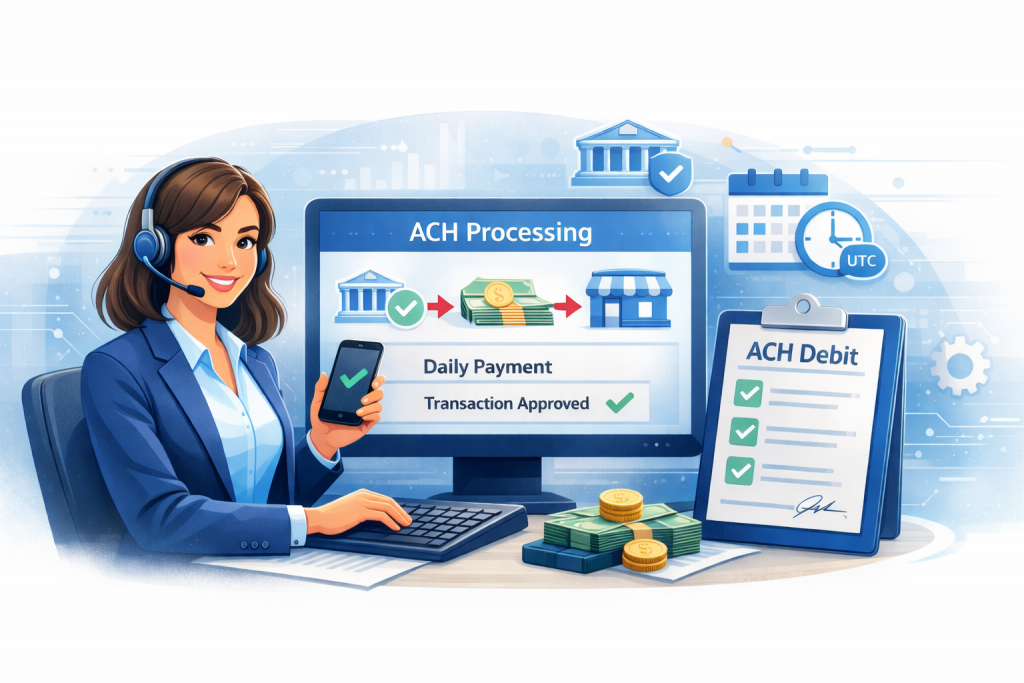
Funders must manage:
- ACH withdrawals and adjustments
- Payment retries and reversals
- Delinquencies and defaults
- Merchant communication histories
- Portfolio-level performance metrics
Many funders focus heavily on origination — but losses are often created during poor servicing.
A lack of real-time visibility into portfolio health delays intervention and increases charge-offs.
Step 6: Reporting, Transparency, and Audit Readiness
In 2026, funders are expected to know their numbers — instantly.
This includes:
- Deal-level performance
- Portfolio yield and exposure
- Delinquency and default rates
- State-by-state activity
- Compliance audit trails
If reporting requires exporting data into spreadsheets, it is already outdated.
Institutional partners, investors, and regulators expect clear, accurate, and timely reporting.
Why Software Is the Foundation of Every Successful MCA Funder
Here’s the uncomfortable truth most guides avoid:
You cannot “figure out software later.”
If you’re serious about how to become an MCA funder, your software stack is your business.
In 2026, MCA operations must unify:
- Deal intake
- Underwriting workflows
- Compliance logic
- Servicing and ACH
- Reporting and audit trails
Trying to stitch together:
- CRMs
- Excel files
- ACH portals
- Accounting systems
creates operational blind spots — and blind spots turn into losses, disputes, or regulatory issues.
How LendSaaS Supports Modern MCA Funders
LendSaaS was built specifically for the realities of modern MCA funding — not retrofitted from generic CRM or lending tools.
LendSaaS helps MCA funders:
- Centralize deal, merchant, and broker data
- Standardize underwriting and decision workflows
- Maintain compliance-ready documentation
- Manage servicing and ACH activity
- Gain real-time portfolio visibility
Instead of managing disconnected tools, funders operate from a single source of truth.
This allows teams to scale responsibly — without increasing chaos, risk, or headcount.
Common Mistakes New MCA Funders Make
If you’re learning how to become an MCA funder, avoid these costly mistakes:
- Relying on spreadsheets too long
They don’t scale and introduce silent errors. - Treating compliance as a manual step
Compliance must be embedded, not reviewed after the fact. - Scaling deal volume before infrastructure
Growth magnifies weaknesses. - Using legacy software built for another era
Older tools weren’t designed for modern regulatory environments.
Who This Guide Is Designed For
This guide is intended for:
- Entrepreneurs launching an MCA funding operation
- Brokers transitioning into funding
- Capital groups entering receivables-based financing
- Existing funders modernizing outdated systems
If your goal is longevity, defensibility, and scale, infrastructure matters more than speed.
Final Thoughts: How to Become an MCA Funder the Right Way
Understanding how to become an MCA funder in 2026 means recognizing that success is operational, not just financial.
Capital opens the door.
Systems keep you compliant.
Infrastructure lets you scale.
The most successful MCA funders are not working harder — they are operating from platforms designed for modern complexity.
Sources & References
The following sources informed the regulatory and operational context of this guide:
- New York Commercial Finance Disclosure Law – Requirements for commercial financing disclosures and APR-equivalent calculations
- California SB-1235 – Commercial financing disclosure framework and compliance standards
- Federal Trade Commission (FTC) – Guidance on unfair or deceptive practices in commercial finance
- Uniform Commercial Code (UCC) – Article 9 secured transaction principles relevant to receivables
- Industry commentary and legal analyses from commercial finance law firms and trade publications
(Sources are referenced at a conceptual level to ensure long-term relevance as regulations evolve.)
Leave a Reply